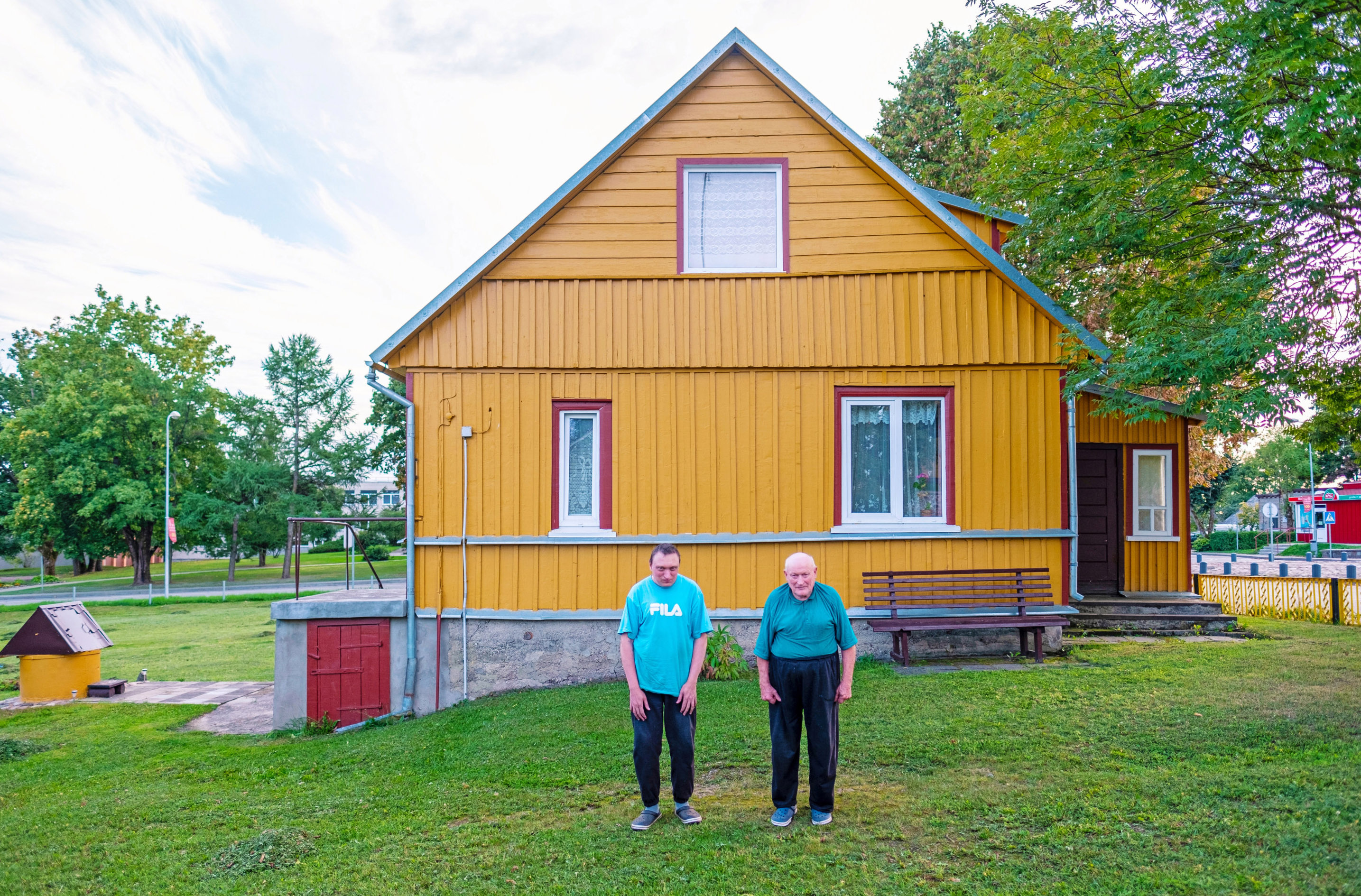
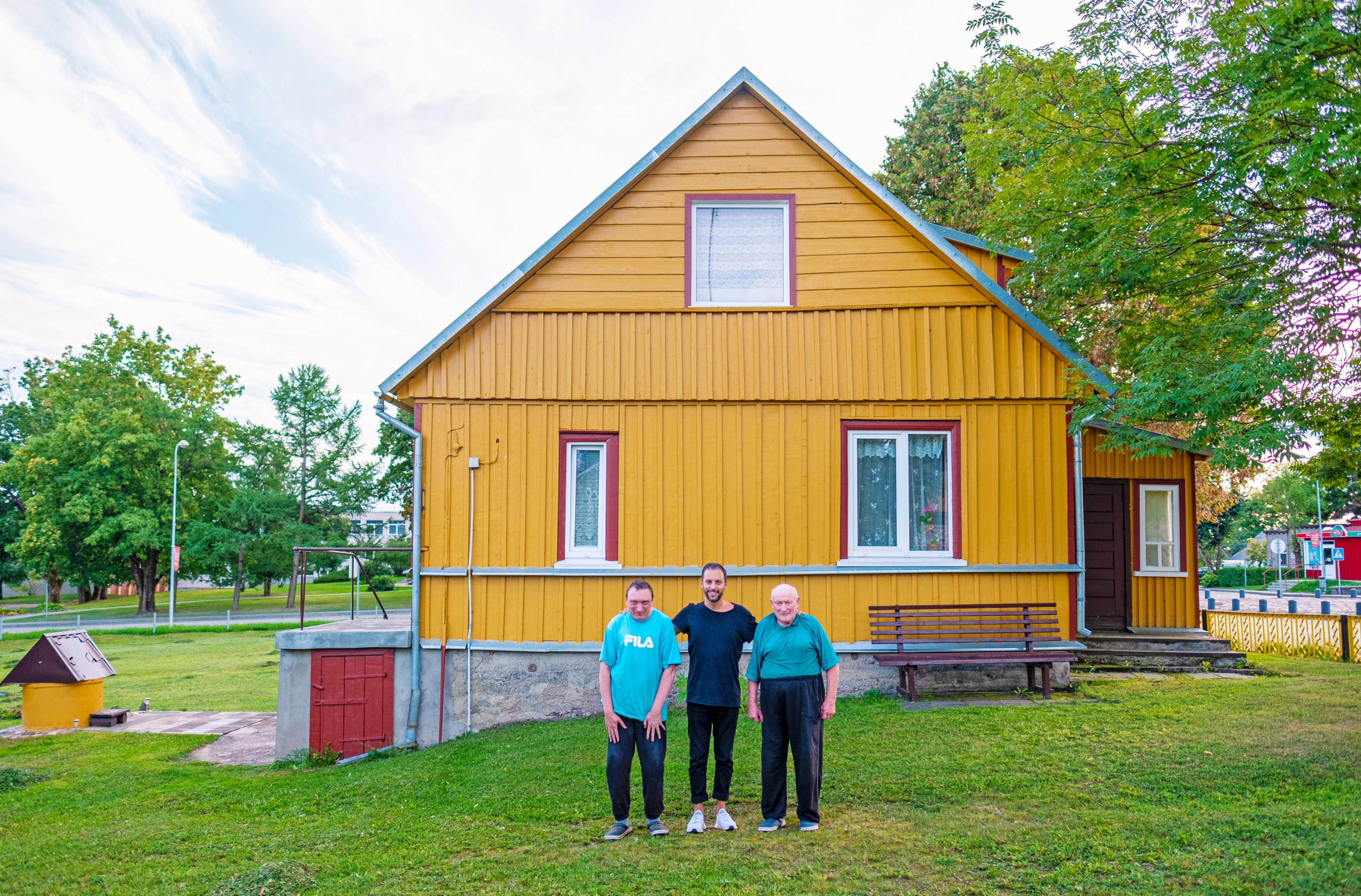
In "Allegory", I examine the multiple roles of the photographer by first asserting, then partially relinquishing, control of the frame.
Continuing the exploration of narrative and identity begun in "The Guardians" and "Pilgrimage", this series deepens the relationships between observer, subject, and place, while raising questions around authorship, gaze, and perspective.
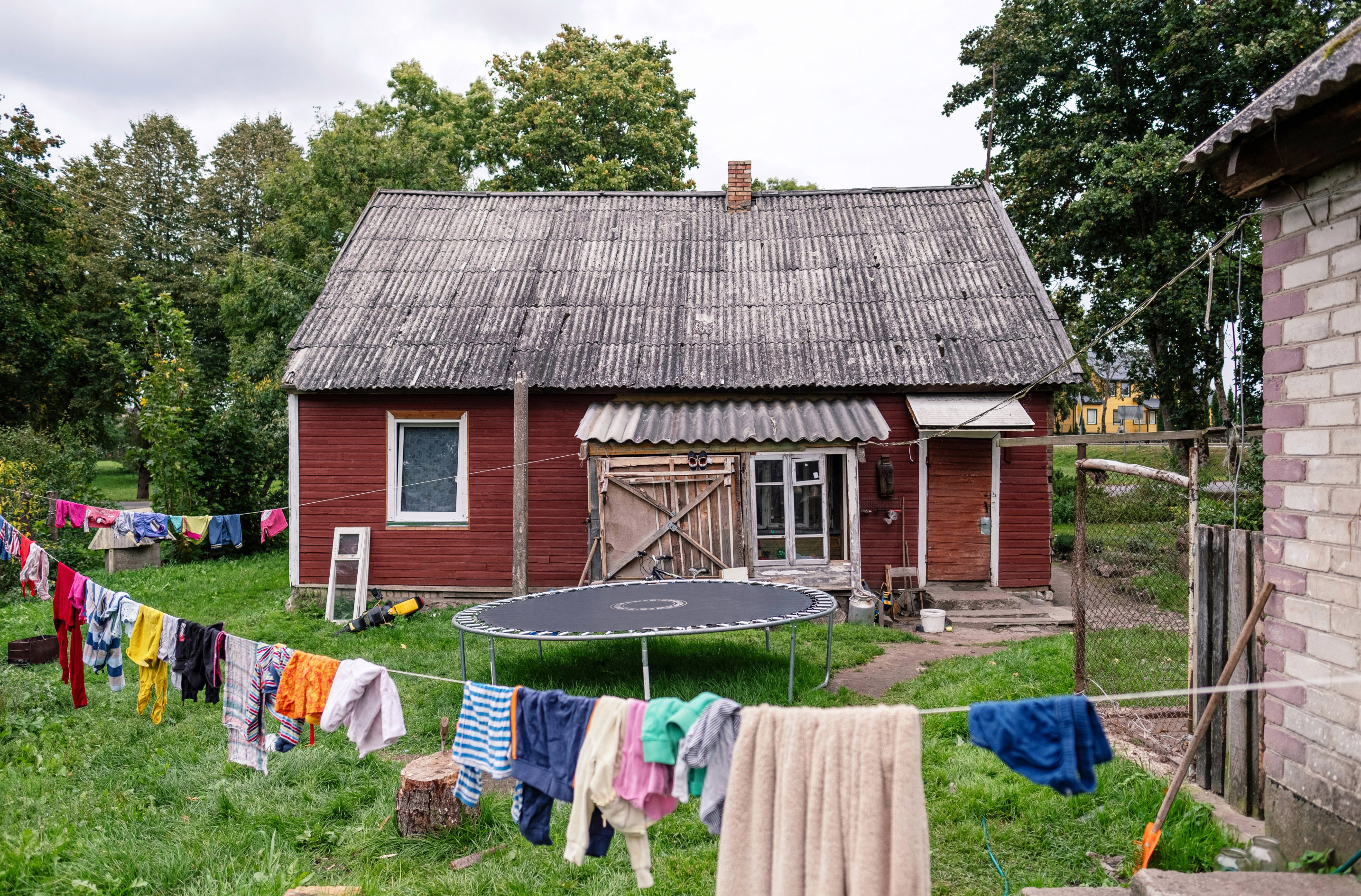
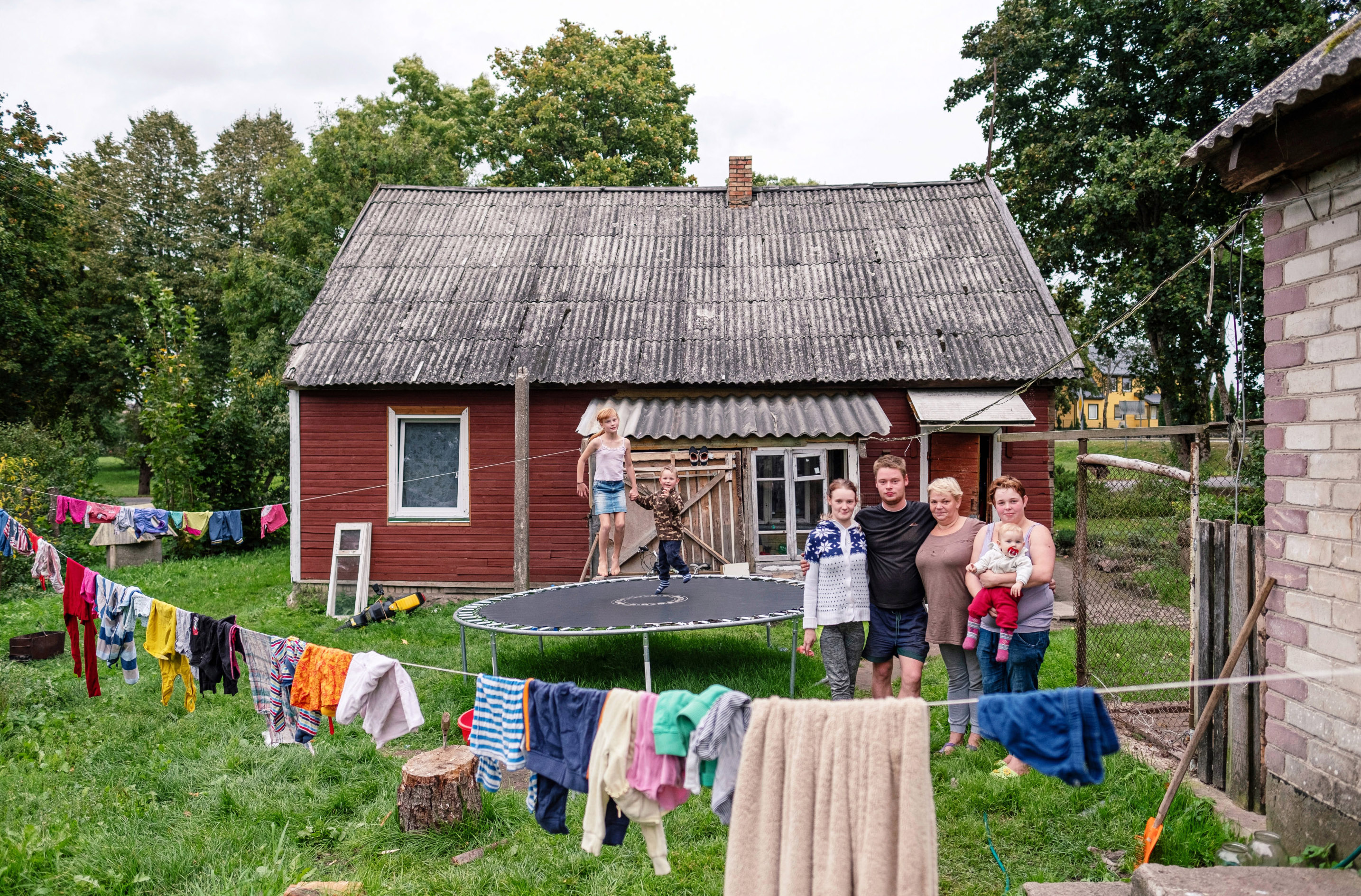
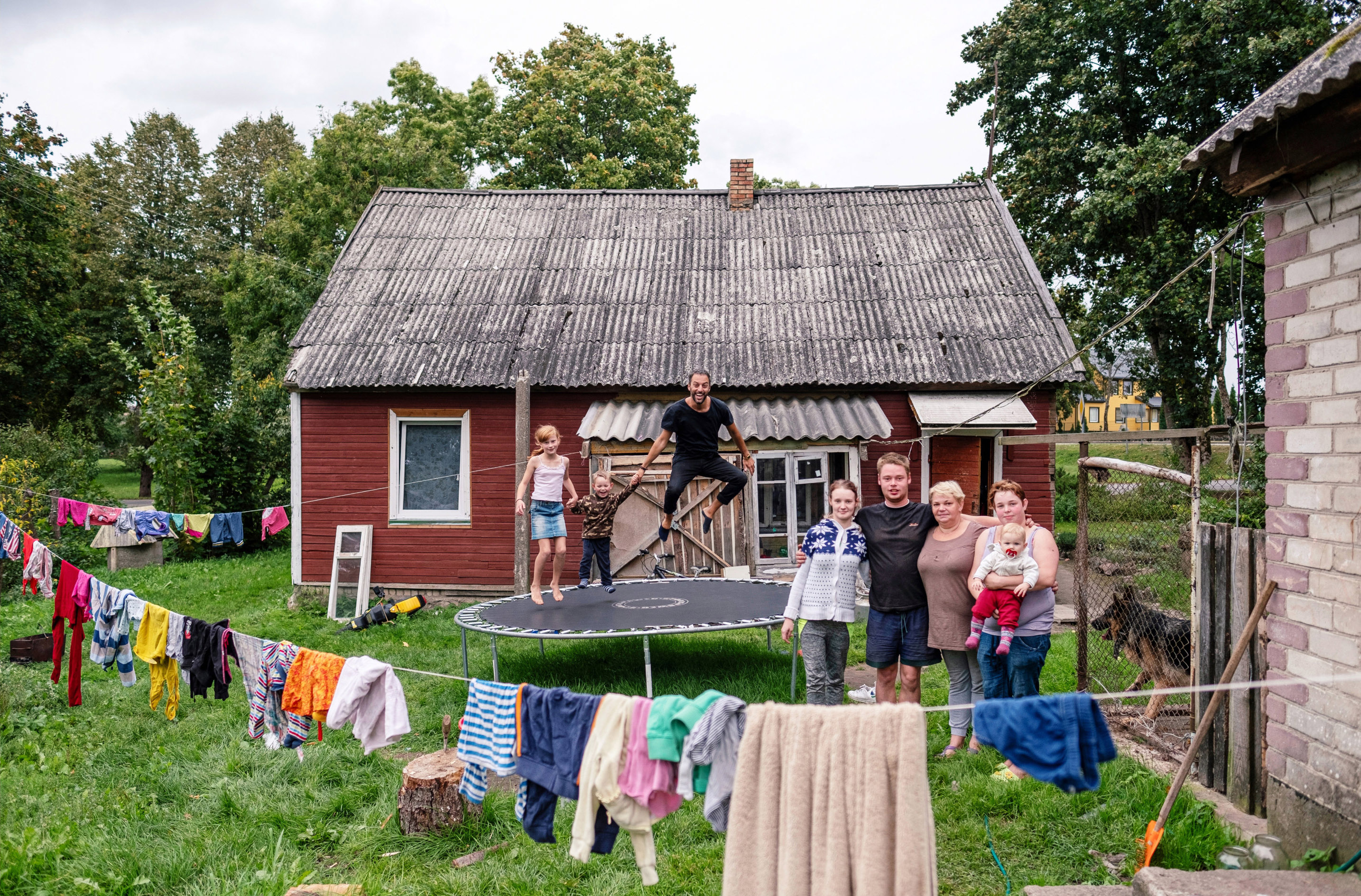
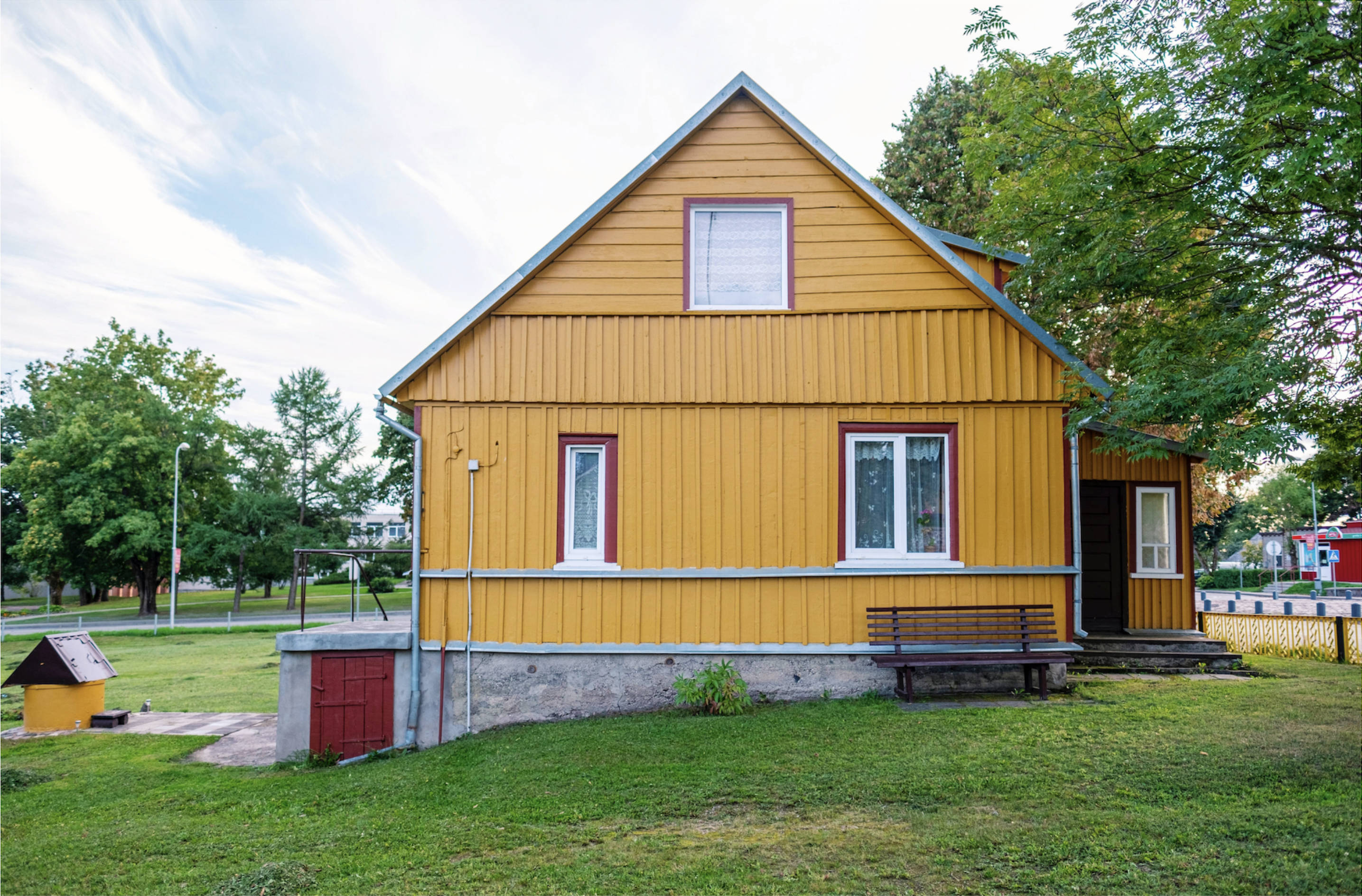
Each triptych in "Allegory" is built on an identical framing: a house at the centre of the image, anchored within its environment. The first photograph presents the structure alone, captured in its stillness within the landscape. The second introduces human presence: the inhabitants stand before the house, their stories now inhabiting the frame. In the third image, I enter the scene myself, surrendering my place behind the camera to its timer.
This series challenges traditional hierarchies of authorship. The composition remains unchanged, but the intervention of the timer introduces a deliberate loss of control. The photographer's gaze ceases to be solely one of observation and becomes a gaze of inclusion.
The play of natural light, vibrant colours, and the juxtaposition of built structures with organic environments continue here as both aesthetic and metaphorical components. These choices reflect my interest in the way human narratives intertwine with the places they inhabit.
In "Allegory", photography becomes both document and dialogue: a carefully composed moment that invites reflection on the boundaries between artist and subject, between control and spontaneity. By entering the frame, I question the role of the photographer and that shared space where narratives, identities, and gazes meet.